


Tixel-Face Value Ticket Resale
0.00.00 Reviews
App Specs
- Version
- 1.0.4
- Updated On
- License
- Free
- Downloads
- 10,000+
- Developer
- Tixel
- Categories
- Events
- Platform
- Android
Screenshots
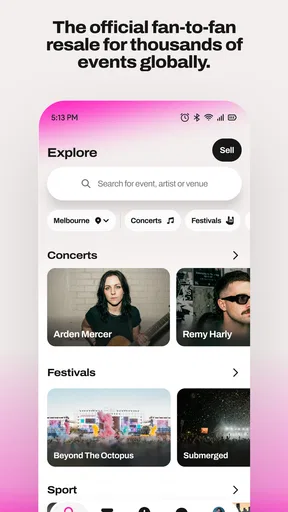
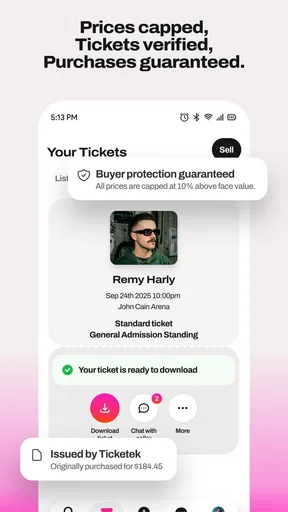
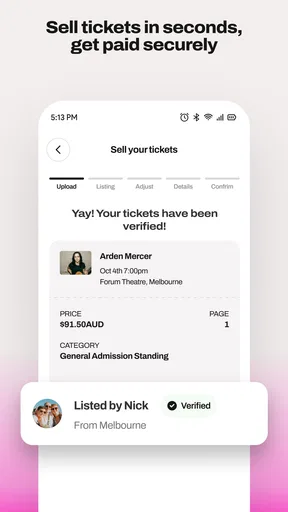
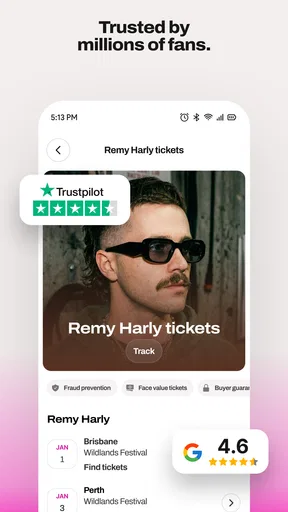
 Analysis by AppCompare
Ticket resale is most useful when it solves a specific problem: someone can no longer go, while another person still wants to attend. Tixel focuses on that handoff, with capped resale prices as its central idea. I find that emphasis more meaningful than a broad promise of convenience. It speaks to a familiar frustration in event buying: trying to judge whether a secondhand ticket is fairly priced before time runs out.
This is an events app from Tixel, and it is free to use. Its appeal is straightforward if you are looking to buy or sell a ticket without turning the process into an open-ended bidding contest. But a capped price is a useful guardrail, not a guarantee that every event will have the ticket you want or that the app suits every kind of resale. The best way to think about it is as a focused option for people who value a more bounded transaction.
Why capped resale prices matter
With ordinary resale, the listed price can become the main source of stress. A ticket may be available, but the seller’s asking price can make it hard to tell whether you are paying a reasonable amount or simply reacting to scarcity. Tixel’s central distinction is that resale prices are capped. In practical terms, that gives buyers a clearer boundary to consider before committing.
That boundary changes the decision, even if it cannot remove all uncertainty. Instead of weighing an apparently unlimited markup against the fear of missing out, I can first ask whether the ticket’s price is acceptable to me. That is a healthier starting point. It makes the app more appealing to someone who wants access to a resale market without treating the highest bid as the natural price of admission.
A cap should not be mistaken for a promise that tickets will be cheap, plentiful, or available for every event. It is a constraint on resale pricing, not a substitute for checking the event details and deciding what fits your budget. I would still compare the full amount shown at checkout with what I am willing to spend, and I would make sure I am choosing the right date or event before proceeding.
The approach is especially relevant when plans change close to an event. A seller may want to pass on a ticket rather than let it go unused, while a buyer may be searching after the original sale has ended. The capped-price idea offers a more controlled frame for that exchange. It does not remove the need to act carefully, but it can make the resale decision feel less like a contest.
What the price limit does—and does not—solve
The most useful benefit is mental as much as practical: the price ceiling helps keep the buyer’s attention on the ticket and the event, rather than on escalating offers. For sellers, it also sets a boundary around what resale can mean. If your priority is extracting the highest possible price from a scarce ticket, a capped marketplace may not match your expectations. If your priority is finding a buyer within a more restrained resale environment, the concept is easier to understand.
Worth Reading Before You Choose

EA SPORTS FC Mobile 26 Is a Bigger Football Game, but It Takes Time

Flipboard Shows What News Apps Must Do Beyond the Feed

Switching to Android Auto Means Rethinking Your Driving Routine

Google Calendar Makes a Crowded Week Easier to Manage

Ludo King Makes the Most of the Minutes Between Plans

Baby Panda World Brings Quick Play to Modern Phones, but Its Game Library Feels Busy
There is a tradeoff here. A limit can make prices feel more predictable, but it cannot make supply predictable. Popular events may still have few or no resale tickets at the moment you look. I would not build an entire evening around the assumption that a ticket will appear. The app makes most sense as one route to check, alongside a backup plan, rather than as a guarantee of entry.
Using it when plans change
Imagine that you and a friend had planned to go to an event, but one person’s schedule changes. The remaining ticket is suddenly something to sell, while another fan may be searching for a way in. In that situation, a resale app is useful because it gives both sides a dedicated place to pursue the exchange. The capped-price focus is relevant to the buyer deciding whether the asking amount is within bounds and to the seller setting realistic expectations.
My practical advice is to treat the process as two separate checks. First, confirm that the event and ticket are the ones you intend to buy or sell. Then assess the price on its own merits rather than letting urgency make the choice for you. This small pause matters most when you are browsing near the event date, when the temptation to rush can be stronger than your usual budget discipline.
For a buyer, it is sensible to decide on a maximum spend before searching. That way, a listing that appears at an inconvenient moment does not force you to invent a budget on the spot. For a seller, it is worth thinking about whether a capped resale price is acceptable before relying on the app to recover the cost of a ticket. These are not clever tricks hidden in the interface; they are simple habits that make a price-limited marketplace more useful.
I would also use it as part of a broader plan, not the whole plan. If the event is important, keep an eye on official ticket channels as well and consider what you will do if resale inventory is unavailable. If you are selling, decide how long you are willing to wait and what outcome you can live with. The app’s defining idea is most helpful when your expectations are clear before the search or sale begins.
Where it fits among other ticket options
Compared with checking only an event organiser’s primary sale, resale gives you another chance after the initial purchase window. That can be valuable when a date sells out or your plans come together late. Compared with informal exchanges through social posts or messages, a dedicated resale app at least gives the transaction a specific setting rather than leaving you to arrange everything through a stranger in a conversation.
Those comparisons have limits. Someone who is most comfortable buying directly from the organiser may prefer to wait for official availability, even if that means missing out. Someone who wants to negotiate freely or chase the lowest possible offer may prefer a different kind of marketplace. Tixel’s focus is better suited to a person who wants a resale option with a cap on prices, not someone looking for an auction-like experience.
I would be careful about treating any marketplace as a shortcut around reading the event information. A fairer price does not answer practical questions such as whether the chosen ticket matches your plans. Before completing a purchase, take a moment to review the details presented in the app and keep a record of what you selected. That is especially useful if you are buying while multitasking or coordinating with friends.
Tradeoffs to weigh before relying on it
The clearest limitation is that a price cap addresses only one part of buying secondhand. It cannot ensure that the event has inventory, that a listing appears when you need it, or that resale is the right option for your circumstances. The app is therefore less compelling if you need certainty well in advance. In that case, buying through the event’s original channel when tickets are available is the simpler choice.
There is also a difference between a controlled price and a good value. A ticket can fall within a cap and still cost more than you want to spend. I would not let the word “capped” make the decision for me. It is a boundary on price, not an instruction to buy. The most useful test is whether the full purchase still feels worthwhile once you have considered travel, timing, and the event itself.
For sellers, the same restraint can be a disadvantage. If recovering every bit of the original cost is your main goal, a capped resale structure may feel limiting. If you simply want a more orderly way to offer a ticket to another attendee, the limit may feel like a reasonable compromise. The right fit depends on whether you value maximum flexibility or a more bounded resale approach.
I also would not use a resale app as a substitute for planning around an uncertain event. If attendance depends on a particular seat, a group being together, or a tight travel schedule, make those needs part of your decision before you buy. The basic resale proposition may solve access, but it does not automatically solve every detail that matters to your outing.
Who gets the most from Tixel
I can see the strongest fit for eventgoers who missed the first chance to buy, people whose plans shift, and sellers who want to pass on a ticket without relying solely on informal messages. It is also a reasonable option for buyers who dislike the open-ended feel of resale and want capped pricing to be part of the experience. The focused purpose makes it easy to understand why you might open it: you are looking for a resale ticket or trying to sell one.
It is less suited to buyers who require guaranteed availability, sellers who want to set any price they choose, or people who would rather avoid secondhand purchasing altogether. If the official seller still has tickets, that route may feel more direct. If no resale listing matches your date or budget, patience or a different plan is better than stretching your spending just because an event is approaching.
The app is rated for Everyone, and it runs on devices using Android 8.0 or later. It has reached over 10,000 installs, and the current version is 1.0.4. For a relatively focused events tool, those details are useful context, though I would still judge it primarily by whether its capped-price approach matches how you buy and sell tickets.
My overall view is that Tixel has a clear reason to exist: it gives ticket resale a price boundary that can make the decision feel less pressured. I would keep it in mind when plans change or the original sale is no longer an option, while still checking the event details and setting my own spending limit. If that balance sounds right to you, Tixel is worth considering; if you need guaranteed stock or unrestricted price-setting, another route will fit better.
A practical way to decide before buying
When a listing appears, I would separate the excitement of getting access from the question of whether this particular ticket suits the plan. Check the event, date, and ticket details shown, then compare the amount with the limit you set before searching. If you are coordinating with friends, share the exact listing details before anyone commits; it is an easy way to avoid buying a ticket that does not work for the group.
That approach also helps answer a common decision: should you keep waiting for a resale listing or choose another plan? If the event is flexible and the budget matters more than attending at any cost, waiting or skipping it may be sensible. If the event is fixed in your calendar, check official availability as well, and treat Tixel as an additional route rather than your only source.
What to expect from a focused resale app
Unlike a general classified marketplace, Tixel is built around the specific problem of passing event tickets between people. That focus can make it a more natural place to look than a social post, where a buyer has to judge both the offer and the person behind it. Still, a dedicated setting does not eliminate the need to read carefully or make a considered choice. I would not assume that the price cap settles questions about event suitability, timing, or personal budget.
The app is a sensible option for people who want a straightforward resale route and are comfortable making their own checks. It is less useful if you expect the app to find a ticket on demand, guarantee a particular seat, or let sellers name any amount. Knowing that distinction before opening it can save time and keep a last-minute search from turning into pressure to accept a purchase that does not fit.
Pros
- Tickets are listed at face value
- helping keep resale prices fair.
- A resale marketplace can help buyers find sold-out event tickets.
- Sellers can list tickets they can no longer use.
- Event-focused listings make it easier to browse available tickets.
- Secure payment handling can provide more protection than private sales.
Cons
- Availability depends on sellers
- so popular events may have few listings.
- Ticket options and coverage can vary by event and location.
- Some listings may sell quickly
- requiring buyers to act fast.
- Refunds may be limited if an event is postponed or canceled.
- A resale listing does not guarantee entry; check transfer and venue rules.
FAQs for Tixel-Face Value Ticket Resale
What is Tixel, and how does its face-value ticket resale work?
Tixel is a ticket resale marketplace designed to help people buy tickets from other fans and sell tickets they can no longer use. Its face-value approach is intended to limit inflated resale prices, though the price and any fees shown at checkout may depend on the event and the listing. Check the final total, event details, and applicable terms before completing a purchase.
Are tickets bought through Tixel genuine and valid for entry?
Tixel provides a platform for ticket resale and may use verification or ticket-transfer processes, but entry ultimately depends on the event organizer, venue, and the ticket’s status. Read the listing carefully to see how the ticket will be delivered, and use the transfer instructions provided in the app. If anything about the event or ticket is unclear, contact Tixel support before buying.
What fees should I expect when buying or selling tickets on Tixel?
A resale platform may charge service or transaction fees, so the seller’s listed price may not be the amount you pay at checkout. Sellers may also face fees or other conditions when completing a sale. The exact charges can vary by event, location, and current platform terms. Review the complete price breakdown and payout information in the app before confirming a transaction.
Can I get a refund if an event is cancelled or I cannot attend?
Refund eligibility depends on the event’s cancellation or postponement policy, the ticket conditions, and Tixel’s current buyer and seller terms. A change of plans does not automatically mean a resale purchase can be refunded, although you may be able to list the ticket for resale if the event and ticket support it. Check the relevant policy and contact support for guidance.
What should I check before downloading and using the Tixel app?
Confirm that Tixel supports the event, venue, and ticket type you need, and check that the app is available in your region. Review the event date, location, ticket category, delivery method, total price, and any resale restrictions before acting. You may need an account and a reliable internet connection to manage listings or access ticket-transfer instructions; availability and features can vary by device and region.


